(nicotine)
OVERDOSAGE
OVERDOSAGE
The oral LD50 for nicotine is >5 mg/kg in dogs and >24 mg/kg in rodents. Death is due to respiratory paralysis. The oral minimum acute lethal dose for nicotine in adult humans is reported to be 40 to 60 mg (<1 mg/kg). A full bottle of NICOTROL NS contains 100 mg of nicotine.
Doses of nicotine that are tolerated by adult smokers during treatment may produce severe signs and symptoms of poisoning in children and may prove fatal. Suspected nicotine poisoning in a child should be considered a medical emergency and treated immediately (See WARNINGS, Safety Note Concerning Children).
NICOTROL NS would be expected to be irritating if sprayed in the eyes, mouth or ears. Eye exposure should be treated with copious irrigation with water for 20 minutes. Large oral nicotine ingestions cause vomiting and the consequences of an overdose will vary; should this occur, patients should contact their physician immediately. For additional emergency information, call your regional poison center.
Signs and Symptoms of Nicotine Toxicity
Signs and symptoms of an overdose of NICOTROL NS would be expected to be the same as those of acute nicotine poisoning including: pallor, cold sweat, nausea, salivation, vomiting, abdominal pain, diarrhea, headache, dizziness, disturbed hearing and vision, tremor, mental confusion, and weakness. Prostration, hypotension, arrhythmia, and respiratory failure may ensue with large overdoses. Lethal doses produce convulsions quickly and death follows as a result of peripheral or central respiratory paralysis or, less frequently, cardiac failure.
Overdose from Ingestion
If emesis has not occurred, it should be induced in conscious patients with a suitable emetic followed by an appropriate dose of activated charcoal. In unconscious patients with a secure airway, instill activated charcoal via a nasogastric tube. A saline cathartic or sorbitol may be added to the first dose of activated charcoal.
Management of Nicotine Poisoning
Administration of nicotine must be stopped immediately and the patient should be treated symptomatically. Other supportive measures include diazepam or barbiturates for seizures, atropine for excessive bronchial secretions or diarrhea, respiratory support for respiratory failure, and vigorous fluid support for hypotension and cardiovascular collapse.
NICOTROL®NS(NICOTINE NASAL SPRAY)
Nicotrol®NS (nicotine nasal spray)
An Aid To Help You Stop Smoking
PATIENT INFORMATION
Read and follow carefully. If you have questions or want more information, ask your doctor or pharmacist.
IMPORTANT INFORMATION—Read carefully
- 1.
- NICOTROL® NS Nasal Spray is designed to help you quit smoking by reducing your urge to smoke. What causes the urge to smoke? It is the nicotine in cigarettes. NICOTROL® NS contains nicotine. Your doctor may increase or decrease dosage during the first few weeks. As your body adjusts to not smoking, your doctor will either tell you to stop using NICOTROL® NS or gradually reduce your dose.
- •
- People who use NICOTROL® NS with a comprehensive behavioral smoking cessation program are more successful in quitting smoking. This program can include support groups, counseling or specific behavior change techniques.
- 2.
- Side Effects—During the first week or so most people experience the following side effects: hot, peppery feeling in back of throat or nose, sneezing, coughing, watery eyes, or runny nose. Wait 5 minutes before driving. Be sure to use regularly for the first week to help adjust to the side effects.
- 3.
- Because nicotine is addictive, it is possible to become dependent on the Nasal Spray. It is important to use the Nasal Spray only for as long as needed to overcome your smoking habit (as directed by your doctor). Your chance of becoming dependent on the Nasal Spray increases if you use it longer than 6 months.
WARNINGS—Read before using NICOTROL® NS


FOLLOW DIRECTIONS
BEFORE YOU USE — Read information on both sides
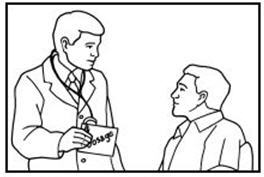
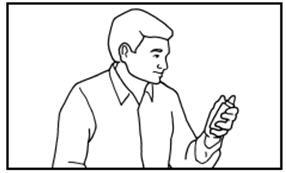
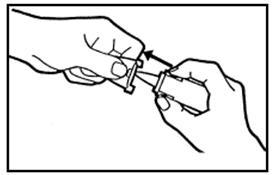
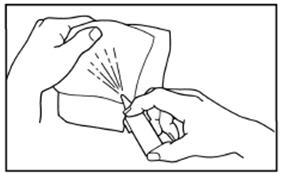
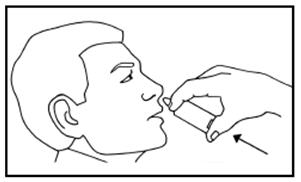
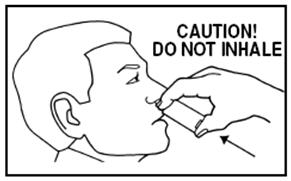
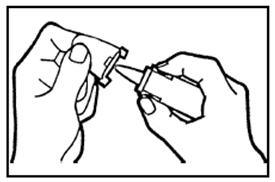
Additional Resources
Chat online with Pfizer Medical Information regarding your inquiry on a Pfizer medicine or vaccine.
Speak with a Pfizer Medical Information Professional regarding your Pfizer medicine or vaccine inquiry.
Available 9AM-5PM ET Monday to Friday; excluding holidays.
Submit a medical question for a Pfizer medicine or a vaccine.
The submission will be reviewed during our standard business hours.
To report an adverse event related to a Pfizer product and you are not part of a clinical trial* for this medication, click the link below to submit your information:
Pfizer Safety Reporting Site
*If you are involved in a clinical trial for either product, adverse events should be reported to your coordinating study site.
If you cannot use the above website to report an adverse event related to a Pfizer medication, please call (800) 438-1985.
You may also contact the U.S. Food and Drug Administration (FDA) directly to report adverse events or product quality concerns either online at www.fda.gov/medwatch or by calling (800) 332-1088.