(nicotine)
ADVERSE REACTIONS
ADVERSE REACTIONS
Assessment of adverse events in the 730 patients who participated in controlled clinical trials is complicated by the occurrence of signs and symptoms of nicotine withdrawal in some patients and nicotine excess in others. The incidence of adverse events is confounded by the many minor complaints that smokers commonly have, by continued smoking by many patients and the local irritation from both active drug and the pepper placebo. No serious adverse events were reported during the trials.
Common Smoker's Complaints
Common complaints experienced by the smokers in the study (users of both active and placebo spray) include: chest tightness, dyspepsia, paresthesia (tingling) in limbs, constipation, and stomatitis.
Tobacco Withdrawal Symptoms
Symptoms of tobacco withdrawal were frequent in users of both active and placebo sprays. Common withdrawal symptoms seen in over 5% of patients included: anxiety, irritability, restlessness, cravings, dizziness, impaired concentration, weight increase, emotional lability, somnolence and fatigue, increased sweating, and insomnia. Less frequently seen probable withdrawal symptoms (under 5%) included: confusion, depression, apathy, tremor, increased appetite, incoordination, and increased dreaming.
Anxiety, irritability, restlessness, and tobacco cravings occurred about equally in both groups, while other symptoms tended to be slightly more common on placebo spray.
Effects of the Spray
NICOTROL NS and the pepper-containing placebo were both associated with irritant side effects on the nasopharyngeal and ocular tissues. During the first 2 days of treatment, nasal irritation was reported by nearly all (94%) of the patients, the majority of whom rated it as either moderate or severe. Both the frequency and severity of nasal irritation declined with continued use of NICOTROL NS but was still experienced by most (81%) of the patients after 3 weeks of treatment, with most patients rating it as moderate or mild.
Other common side effects for both active and placebo groups were: runny nose, throat irritation, watering eyes, sneezing, and coughing.
The following local events were reported somewhat more commonly for active than for placebo spray: nasal congestion, subjective comments related to the taste or use of the dosage form, sinus irritation, transient epistaxis, eye irritation, transient changes in sense of smell, pharyngitis, paresthesia of the nose, mouth or head, numbness of the nose, or mouth, burning of the nose or eyes, earache, facial flushing, transient changes in sense of taste, hoarseness, nasal ulcer or blister.
Effects of Nicotine
Feelings of dependence on the spray were reported by more patients on active spray than placebo. Drug-like effects such as calming were also more frequent on active spray (See DRUG ABUSE AND DEPENDENCE).
Other Adverse Effects
Adverse events which could not be classified and listed above and which were reported by >1% of patients on active spray are listed in the following table:
Adverse Events Not Attributable to Intercurrent Illness
| Adverse Event | Active | Placebo |
|---|---|---|
HEADACHE | 18% | 15% |
BACK PAIN | 6% | 4% |
DYSPNEA | 5% | 6% |
NAUSEA | 5% | 5% |
ARTHRALGIA | 5% | 1% |
MENSTRUAL DISORDER | 4% | 4% |
PALPITATION | 4% | 4% |
FLATULENCE | 4% | 3% |
TOOTH DISORDER | 4% | 1% |
GUM PROBLEMS | 4% | 1% |
MYALGIA | 3% | 4% |
ABDOMINAL PAIN | 3% | 3% |
CONFUSION | 3% | 3% |
ACNE | 3% | 1% |
DYSMENORRHEA | 3% | 0% |
PRURITUS | 2% | 3% |
Adverse events reported with a frequency of <1% among active spray users are listed below:
Body as a Whole: edema peripheral, pain, numbness, allergy
Gastrointestinal: dry mouth, hiccup, diarrhea
Hematologic: purpura
Neurological: aphasia, amnesia, migraine, numbness
Respiratory: bronchitis, bronchospasm, sputum increased
Skin and appendages: rash, purpura
Special Senses: vision abnormal
Adverse reactions not listed above that have been identified during post-marketing experience with the nicotine nasal spray formulation are listed below:
Gastrointestinal disorders: dysphagia
General disorders and administration site conditions: chest pain
Immune system disorders: anaphylactic reaction
Nervous system disorders: seizure
NICOTROL®NS(NICOTINE NASAL SPRAY)
Nicotrol®NS (nicotine nasal spray)
An Aid To Help You Stop Smoking
PATIENT INFORMATION
Read and follow carefully. If you have questions or want more information, ask your doctor or pharmacist.
IMPORTANT INFORMATION—Read carefully
- 1.
- NICOTROL® NS Nasal Spray is designed to help you quit smoking by reducing your urge to smoke. What causes the urge to smoke? It is the nicotine in cigarettes. NICOTROL® NS contains nicotine. Your doctor may increase or decrease dosage during the first few weeks. As your body adjusts to not smoking, your doctor will either tell you to stop using NICOTROL® NS or gradually reduce your dose.
- •
- People who use NICOTROL® NS with a comprehensive behavioral smoking cessation program are more successful in quitting smoking. This program can include support groups, counseling or specific behavior change techniques.
- 2.
- Side Effects—During the first week or so most people experience the following side effects: hot, peppery feeling in back of throat or nose, sneezing, coughing, watery eyes, or runny nose. Wait 5 minutes before driving. Be sure to use regularly for the first week to help adjust to the side effects.
- 3.
- Because nicotine is addictive, it is possible to become dependent on the Nasal Spray. It is important to use the Nasal Spray only for as long as needed to overcome your smoking habit (as directed by your doctor). Your chance of becoming dependent on the Nasal Spray increases if you use it longer than 6 months.
WARNINGS—Read before using NICOTROL® NS

FOLLOW DIRECTIONS
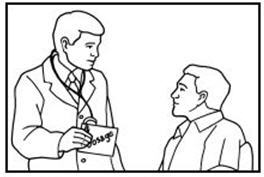
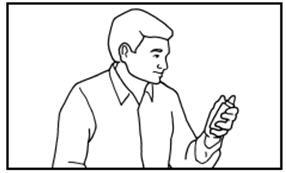
BEFORE YOU USE — Read information on both sides
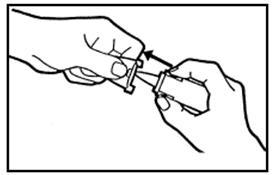
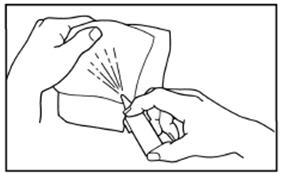
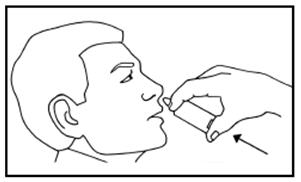
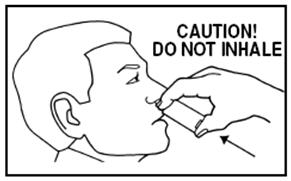
Additional Resources
Chat online with Pfizer Medical Information regarding your inquiry on a Pfizer medicine or vaccine.
Speak with a Pfizer Medical Information Professional regarding your Pfizer medicine or vaccine inquiry.
Available 9AM-5PM ET Monday to Friday; excluding holidays.
Submit a medical question for a Pfizer medicine or a vaccine.
The submission will be reviewed during our standard business hours.
To report an adverse event related to a Pfizer product and you are not part of a clinical trial* for this medication, click the link below to submit your information:
Pfizer Safety Reporting Site
*If you are involved in a clinical trial for either product, adverse events should be reported to your coordinating study site.
If you cannot use the above website to report an adverse event related to a Pfizer medication, please call (800) 438-1985.
You may also contact the U.S. Food and Drug Administration (FDA) directly to report adverse events or product quality concerns either online at www.fda.gov/medwatch or by calling (800) 332-1088.